
In the realm of medical aesthetics, technology is no longer just a tool—it’s becoming a mirror reflecting our deepest desires, insecurities, and aspirations. As we stand at the intersection of human identity and machine intelligence, the relationship between us and our creations is evolving in profound ways. This isn’t merely about devices that smooth wrinkles or sculpt bodies; it’s about how technology shapes our perception of beauty, self-worth, and even our humanity. Drawing on the principles of human-machine interaction, this article explores the transformative dynamics at play in medtech aesthetics, arguing that our bond with technology is a two-way street: we design machines to enhance our image, but they, in turn, redesign how we see ourselves.
The Core Thesis: Technology as a Reflection of Human Desire
At the heart of the human-machine relationship in medical aesthetics lies a fundamental truth: technology amplifies our innate drive for self-expression and improvement. From AI-driven skin analysis apps to robotic-assisted surgical systems, these innovations are not just solutions to physical imperfections—they are extensions of our psyche. We pour our ideals of beauty into algorithms and hardware, expecting them to deliver perfection. Yet, as we delegate more of our decision-making to machines, we must ask: are we still the ones defining beauty, or are we being subtly redefined by the tools we’ve created?
This dynamic is best understood through three critical lenses: the personalization of beauty through data, the ethical implications of machine-driven standards, and the psychological feedback loop between user and technology. Each of these layers reveals how deeply intertwined we’ve become with our machines, not just as users but as co-creators of a new aesthetic reality.

Layer 1: Personalization Through Data—Beauty by Algorithm
The first pillar of this relationship is the unprecedented personalization that technology offers. Modern medical aesthetics thrives on data—every scan, photo, and user input feeds into systems that tailor treatments to individual needs. Take, for instance, AI platforms like Visia Skin Analysis, which use high-resolution imaging and machine learning to map out a patient’s skin concerns down to the micrometer. These systems don’t just identify flaws; they predict future issues and recommend bespoke solutions, from chemical peels to laser therapies.
This level of customization is empowering. It moves us beyond the one-size-fits-all beauty standards of the past, allowing for treatments that align with unique facial structures, skin tones, and aging patterns. According to a 2022 report by McKinsey, over 60% of consumers in the beauty and aesthetics industry now expect personalized experiences, a demand that technology is uniquely positioned to meet. Machines, in this sense, act as intimate collaborators, decoding our biology in ways human practitioners alone cannot.
Yet, there’s a catch. The more we rely on algorithms for personalization, the more we cede control over what “personal” means. These systems are trained on vast datasets, often skewed toward certain demographics or cultural ideals. If an AI recommends a treatment based on patterns it has learned from predominantly Western facial features, does it truly reflect an individual’s unique beauty, or is it subtly nudging them toward a homogenized norm? This tension highlights the dual nature of technology as both a liberator and a potential gatekeeper in our quest for self-expression.
Layer 2: Ethical Implications—Whose Beauty Standard Prevails?
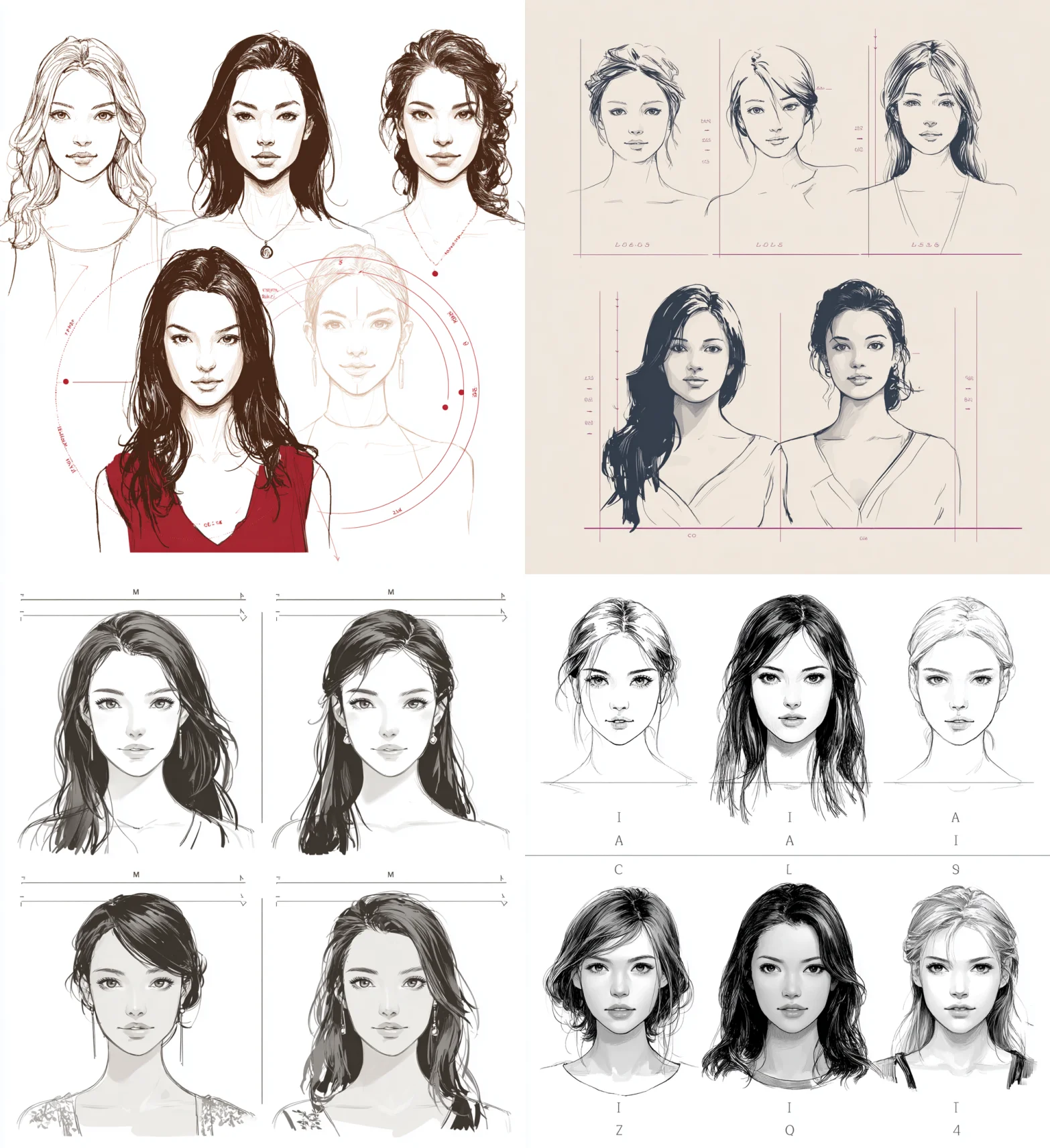
This brings us to the second pillar: the ethical minefield of machine-driven beauty standards. As technology becomes more autonomous in medical aesthetics, it’s not just executing human commands—it’s shaping decisions. Consider the rise of AI-powered facial recognition tools used in cosmetic surgery planning. These systems can suggest alterations to achieve “optimal symmetry” or “ideal proportions” based on mathematical models. But who defines “ideal”? Often, it’s the programmers and datasets behind the tech, not the individual in the consultation chair.
A striking example is the controversy surrounding certain beauty apps and filters that automatically “enhance” features to align with Eurocentric or hyper-feminized ideals—larger eyes, narrower noses, lighter skin tones. Studies, such as one published in the Journal of Aesthetic Surgery in 2021, have shown that prolonged exposure to such digitally altered images can distort self-perception, leading to body dysmorphia and dissatisfaction. When machines become arbiters of beauty, they risk perpetuating biases embedded in their code, creating a feedback loop where technology reinforces societal flaws rather than challenging them.
The ethical stakes are high. Medical aesthetics professionals must grapple with questions of accountability: if a patient undergoes a procedure based on an AI’s recommendation and later regrets it, who bears responsibility—the doctor, the patient, or the algorithm? Moreover, as robotic systems like the da Vinci Surgical System become more prevalent in precision cosmetic surgeries, we must ensure that human oversight remains paramount. Machines can execute with unparalleled accuracy, but they lack the empathy and cultural nuance that human practitioners bring to the table. Balancing efficiency with ethical integrity is the challenge of our era.

Layer 3: Psychological Feedback Loops—Technology as a Mirror of the Mind
The third pillar of this relationship is perhaps the most profound: the psychological interplay between humans and machines. Technology in medical aesthetics doesn’t just alter our bodies; it alters how we see ourselves. Every time we use a skin-scanning app or view a digitally simulated “after” image of a procedure, we’re engaging in a dialogue with technology about who we are and who we want to be. This creates a feedback loop where our self-image is continually shaped by machine outputs, which in turn are shaped by our inputs and desires.
This phenomenon is evident in the growing popularity of augmented reality (AR) tools in aesthetics clinics. Apps like Crisalix allow patients to visualize potential outcomes of procedures like rhinoplasty or breast augmentation in real-time 3D. On one hand, this empowers informed decision-making—patients can “try on” their new look before committing. On the other, it blurs the line between reality and fantasy. When a patient sees a digitally perfected version of themselves, the gap between their current self and the idealized image can fuel dissatisfaction, even obsession. A 2020 study in Plastic and Reconstructive Surgery found that 22% of patients using such visualization tools reported heightened anxiety about achieving the simulated result, illustrating how technology can amplify rather than alleviate psychological burdens.
This feedback loop extends beyond the clinic. Social media platforms, powered by AI algorithms, bombard us with curated images of beauty, often enhanced by filters or digital touch-ups. As we consume and internalize these ideals, we seek out medical aesthetic interventions to match them, further feeding data back into the systems that define “trending” looks. It’s a cycle where humans and machines co-evolve, each influencing the other’s definition of worth and attractiveness. The danger lies in losing sight of where human agency ends and machine influence begins.

Navigating the Future: A Symbiotic Partnership
Given these dynamics, how do we forge a healthier relationship with technology in medical aesthetics? The answer lies in intentional design and mindful engagement. First, we must prioritize diversity in the datasets that train AI systems, ensuring they reflect a spectrum of cultural and individual definitions of beauty. Companies developing these technologies have a responsibility to audit their algorithms for bias and transparency, as do regulatory bodies overseeing their deployment.
Second, education is key. Patients and practitioners alike need to understand the limitations of technology—machines can inform, but they shouldn’t dictate. Clinicians should be trained to interpret AI recommendations through a human lens, prioritizing patient well-being over algorithmic suggestions. Meanwhile, patients should be encouraged to approach tech-driven aesthetics with critical awareness, recognizing that a digitally “perfect” image isn’t the ultimate goal of self-improvement.
Finally, we must foster a cultural shift in how we view technology’s role in beauty. Rather than seeing machines as oracles of perfection, we should treat them as partners in a creative process. Just as an artist uses a brush to express a vision, we can use technology to explore and enhance our unique identities. This mindset reframes the human-machine relationship from one of dependency to one of collaboration, where neither dominates but both contribute to a shared outcome.
Conclusion: Reflecting on Our Reflections
The relationship between humans and technology in medical aesthetics is a microcosm of a broader societal shift. As machines become more integrated into our lives, they hold up a mirror to our values, biases, and aspirations. In this reflection, we see not just our faces but our fears and hopes for who we can become. The challenge is to ensure that this mirror doesn’t distort reality but rather clarifies it, helping us see ourselves more authentically.

Technology in aesthetics has the power to transform—not just our appearance but our understanding of beauty itself. By approaching this partnership with intention, ethics, and self-awareness, we can ensure that our machines don’t just sculpt our bodies but also elevate our humanity. After all, the ultimate beauty lies not in perfection but in the balance between who we are and who we choose to be, with or without a machine’s help.