
In the realm of aesthetic medicine, the interplay between human expertise and machine precision has evolved into a sophisticated dance. This symbiotic relationship has not only transformed the industry but also redefined the boundaries of what is achievable in beauty and wellness. To understand this dynamic, we must delve into the cyclical narrative of human-machine collaboration, where each iteration brings forth new possibilities and challenges.
The Initial Encounter: Machines as Tools
In the early days of aesthetic medicine, machines were primarily seen as tools to augment human capabilities. Devices like lasers and ultrasound machines were introduced to enhance the precision and efficacy of treatments. Dermatologists and plastic surgeons eagerly adopted these technologies, recognizing their potential to improve patient outcomes. The initial excitement was palpable, with practitioners marveling at the newfound control and consistency that machines brought to their practices.
However, this phase was not without its challenges. The learning curve for mastering new technologies was steep, and the integration of machines into clinical workflows required significant adjustments. Practitioners had to navigate the delicate balance of relying on machines while maintaining the human touch that is essential in aesthetic medicine. This period was characterized by a sense of experimentation, as both humans and machines adapted to their new roles.
The Evolution: Machines as Partners
As technology advanced, the role of machines in aesthetic medicine began to shift from mere tools to true partners. Advanced imaging systems, AI-driven diagnostics, and robotic surgery platforms emerged, each contributing to a more collaborative approach. These innovations allowed for real-time data analysis, personalized treatment plans, and enhanced surgical precision, significantly elevating the standard of care.
The evolution of this partnership brought about a deeper appreciation for the complementary strengths of humans and machines. While machines offered unparalleled accuracy and data processing capabilities, humans provided the empathy, intuition, and creativity that are indispensable in aesthetic medicine. This synergy led to the development of hybrid treatment protocols, where machines and humans worked in tandem to achieve optimal results.
The Symbiosis: Machines as Extensions
The current state of human-machine relationships in aesthetic medicine can be described as a symbiosis, where machines are seen as extensions of human capabilities. This phase is marked by a seamless integration of technology into every aspect of the patient journey, from initial consultations to post-treatment care. Wearable devices, telemedicine platforms, and AI-powered skincare apps have become integral parts of the aesthetic ecosystem, empowering patients to take an active role in their beauty journeys.
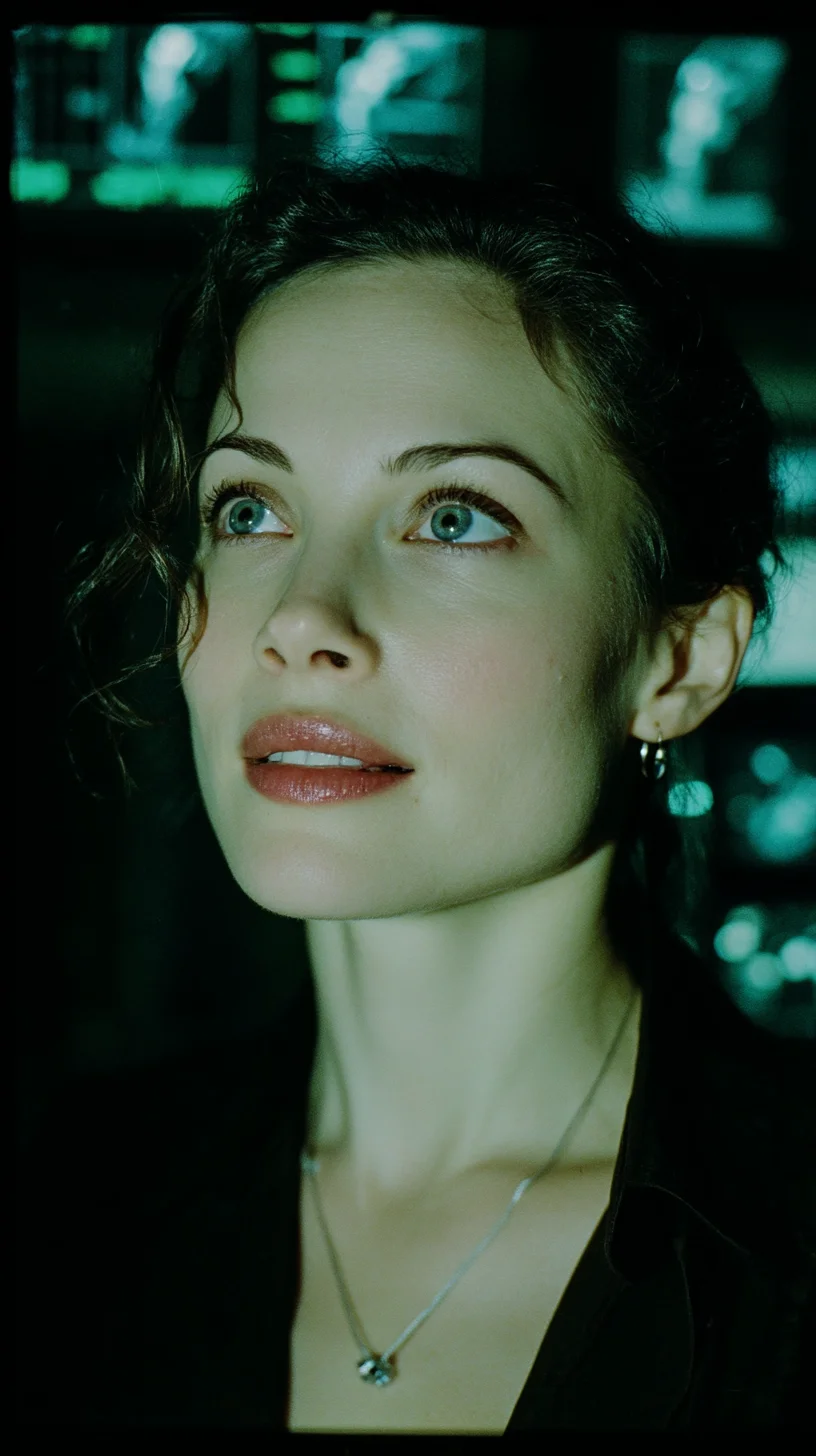
In this symbiotic relationship, machines not only enhance the technical aspects of treatment but also enrich the human experience. For instance, AI algorithms can analyze patient data to predict treatment outcomes, allowing practitioners to set realistic expectations and tailor interventions accordingly. Similarly, virtual reality (VR) and augmented reality (AR) technologies have revolutionized patient education, enabling individuals to visualize potential results before committing to a procedure.
The Challenges: Navigating the Ethical Terrain
Despite the numerous benefits, the deepening relationship between humans and machines in aesthetic medicine has also raised ethical concerns. The reliance on algorithms for decision-making has sparked debates about the potential for bias and the erosion of human judgment. Additionally, the increasing automation of certain procedures has led to questions about the role of human practitioners in an increasingly machine-driven field.
To navigate these challenges, the industry must establish clear ethical guidelines and foster a culture of transparency and accountability. Practitioners must be trained not only in the technical aspects of machine use but also in the ethical considerations that accompany them. Moreover, ongoing dialogue between healthcare professionals, technology developers, and regulatory bodies is essential to ensure that the advancement of human-machine relationships aligns with the best interests of patients.
The Future: A Continuous Loop of Innovation
As we look to the future, the human-machine relationship in aesthetic medicine is poised to enter a new cycle of innovation. Emerging technologies such as gene editing, nanotechnology, and advanced bioprinting hold the promise of even more personalized and effective treatments. The integration of these technologies into clinical practice will require a continued evolution of the human-machine partnership, with an emphasis on adaptability and continuous learning.
In this future, the role of human practitioners will shift further towards that of orchestrators, guiding the symphony of technologies that work together to enhance patient outcomes. The human touch will remain essential, serving as the anchor that grounds the technological advancements in the context of individual patient needs and desires.
Conclusion: Embracing the Dance
The symbiotic dance of human-machine relationships in aesthetic medicine is a testament to the power of collaboration and innovation. As we move forward, it is crucial for practitioners, patients, and technology developers to embrace this dance, recognizing the unique contributions of both humans and machines. By doing so, we can continue to push the boundaries of what is possible in beauty and wellness, ensuring that the future of aesthetic medicine is not only technologically advanced but also deeply human.

In this cyclical narrative, each phase builds upon the last, creating a continuous loop of improvement and refinement. The journey of human-machine relationships in aesthetic medicine is far from over, and the next steps promise to be as exciting as they are transformative.